Unveiling the Noisy Intruder: Why Your New AC Sounds Like a Symphony of Dissonance
Does the noise from your new AC unit seem like a roaring beast inside your house? You're not alone. Many homeowners face this issue, and it can be incredibly frustrating. In this blog post, we'll explore why this happens and provide some tips to help you resolve the problem.
A noisy AC unit can disrupt your peace and quiet, making it difficult to relax or sleep in your home. It can also be a sign of a more serious problem, such as a faulty installation or a malfunctioning component. If you're experiencing this issue, it's important to investigate the cause and take steps to address it promptly.
Several factors can contribute to a noisy AC unit. One common cause is improper installation. If the unit is not properly leveled or secured, it can cause vibrations that can travel through the ductwork and into your home. Another potential cause is a dirty or clogged air filter. When the air filter is dirty, it can restrict airflow, causing the unit to work harder and produce more noise. Additionally, worn or damaged components, such as a faulty fan motor or compressor, can also generate excessive noise.
To summarize, if your new AC unit is noisy inside your house, it could be due to improper installation, a dirty air filter, worn or damaged components, or a combination of these factors. Addressing these issues promptly can help reduce noise and ensure the efficient operation of your AC unit.
Why Is My New AC So Loud Inside My House?
Installing a new air conditioning system is an exciting way to enhance your home's comfort and energy efficiency. However, if you find that your new AC is excessively loud inside your house, it can be a cause of frustration and discomfort.
Understanding the potential reasons behind this noise and addressing them promptly can help you restore a peaceful and comfortable living environment. In this article, we will explore the various factors that may contribute to a noisy AC unit and provide practical solutions to mitigate the noise.

1. Improper Installation:
Inadequate installation techniques can lead to various noises, including rattling, buzzing, or humming sounds. Improperly secured ductwork, loose panels, or unbalanced fan blades are common culprits.
2. Refrigerant Issues:
Low refrigerant levels can cause the compressor to work harder, resulting in increased noise. Additionally, refrigerant leaks can produce hissing or bubbling sounds.
3. Dirty or Clogged Components:
Accumulation of dirt, dust, and debris on the coils, filters, and fan blades can impede airflow, causing the AC unit to work louder.
4. Worn or Damaged Parts:
Over time, AC components like bearings, belts, and motors can wear out or become damaged, leading to increased noise levels.
5. Poorly Designed Ductwork:
Inadequate ductwork design, such as undersized ducts or sharp bends, can restrict airflow and create whistling or rattling noises.

1. Inspection and Maintenance:
Regular professional inspections and maintenance can help identify potential issues early on, preventing them from causing excessive noise.
2. Proper Installation:
Ensure that the AC unit is installed correctly by a qualified technician, following manufacturer guidelines and local building codes.
3. Address Refrigerant Issues:
Have a certified technician inspect and recharge the refrigerant levels if needed. Additionally, promptly repair any refrigerant leaks.
4. Clean and Replace Filters:
Clean or replace the air filters regularly, typically every month during peak usage, to ensure optimal airflow and prevent dirt buildup.
5. Inspect and Repair Components:
If worn or damaged components are identified during inspection, have them repaired or replaced promptly to restore quiet operation.
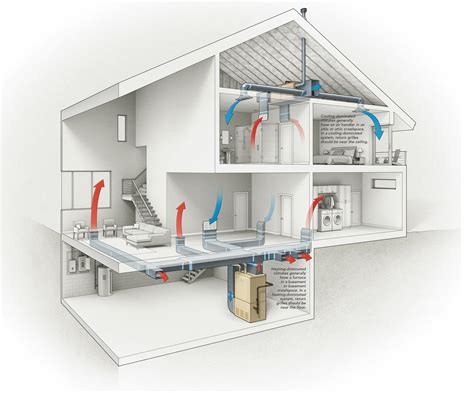
1. Ductwork Design:
Ensure that the ductwork is properly designed and installed, with adequate sizing and minimal bends to minimize airflow restrictions.
2. Duct Sealing:
Seal any leaks or gaps in the ductwork to prevent air leaks and reduce noise.
3. Duct Insulation:
Insulate the ductwork to minimize noise transmission and improve energy efficiency.

1. Proper Placement:
Position the outdoor AC unit away from windows, doors, and other noise-sensitive areas to minimize noise intrusion.
2. Use Sound-Dampening Materials:
Consider installing sound-dampening materials around the AC unit or in the ductwork to reduce noise transmission.
3. Regular Maintenance:
Schedule regular maintenance visits by a qualified technician to ensure the AC unit is operating efficiently and quietly.
Conclusion
Excessive noise from a new AC unit can be a frustrating issue, but it can often be addressed by identifying and resolving the underlying causes. By following the troubleshooting tips and solutions outlined in this article, you can work towards restoring a peaceful and comfortable living environment. Remember to consult with a qualified HVAC technician for proper diagnosis and repair of any complex issues.
FAQs
1. Can a dirty air filter cause my AC to be noisy?Yes, a dirty or clogged air filter can restrict airflow, causing the AC unit to work harder and potentially leading to increased noise.
2. What are some signs of low refrigerant levels in my AC unit?Low refrigerant levels can manifest as reduced cooling performance, increased energy consumption, and unusual noises, such as hissing or bubbling sounds.
3. How often should I clean or replace my AC filter?The frequency of filter cleaning or replacement depends on usage and environmental factors. Generally, it is recommended to clean or replace the filter every month during peak cooling seasons.
4. What should I do if my AC unit is making a loud rattling noise?A loud rattling noise may indicate loose components, worn bearings, or refrigerant issues. It is advisable to contact a qualified HVAC technician for prompt inspection and repair.
5. How can I reduce noise from my AC unit's outdoor unit?To minimize noise from the outdoor unit, consider positioning it away from noise-sensitive areas, using sound-dampening materials, and ensuring proper installation and maintenance.